
There's something undeniably comforting about homemade bread, especially when it's French bread. The first time I baked it, the aroma filled my entire house, bringing me back to childhood moments in my grandmother's kitchen. The process was therapeutic, and the anticipation of pulling warm, golden loaves from the oven was thrilling.
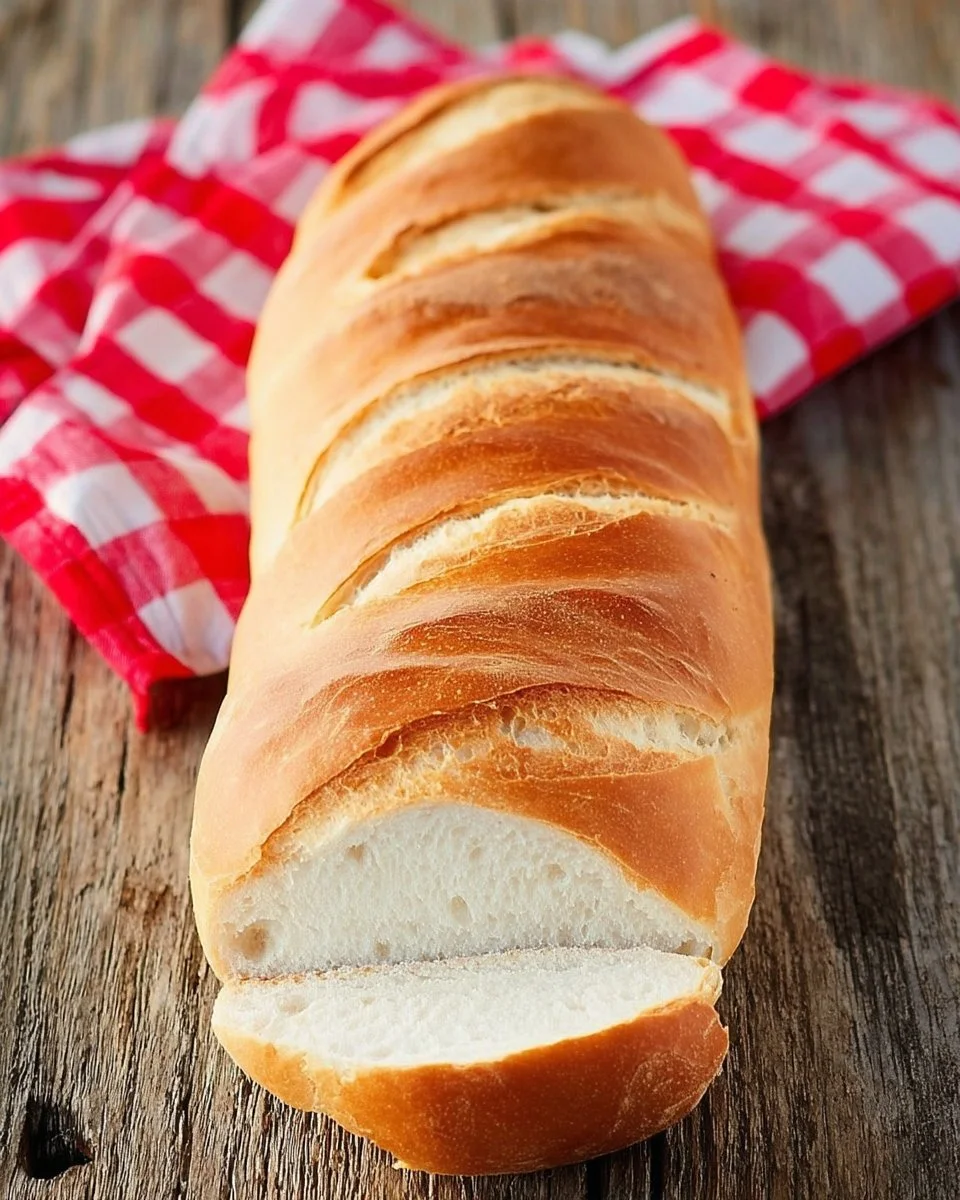
Besides the joy of baking, this recipe offers a delightful treat for any occasion. The bread is wonderfully soft, perfect for sandwiches or as a side to soups. It's simple enough for beginners yet rewarding for experienced bakers looking for a reliable, delicious loaf.
Jump to:
Why You’ll Love This Recipe
- Soft Texture: This bread delivers a melt-in-your-mouth experience, thanks to a perfect balance of ingredients and baking method.
- Simple Ingredients: Using only basic pantry ingredients, this recipe is accessible and affordable.
- Beginner-Friendly: Easy-to-follow steps ensure success even if it's your first time baking bread.
- Versatile Use: Perfect for sandwiches, toast, or as a complement to any meal, making it a great staple.
- Aroma Bonus: The delightful smell of freshly baked bread that will fill your home is reason enough to bake it.
Ingredients You'll Need
- Warm Water – 2 ¼ cups. Activates the yeast and helps create the dough's structure.
- Yeast – 1 tablespoon. Essential for leavening and the bread's fluffy texture.
- Sugar – 2 tablespoons. Feeds the yeast and aids in browning the crust.
- Salt – 1 tablespoon. Enhances the flavor of the bread.
- Oil – 2 tablespoons. Adds moisture and enriches the dough.
- Flour – 5 to 6 cups. Provides the main structure; adjust for desired dough consistency.
- Cornmeal – 1 teaspoon. Prevents sticking and adds texture to the crust.
- Egg – 1. Used for the egg wash to give a shiny, golden crust.
How to Make French Bread
Step 1: Prepare the Yeast Mixture
In a large bowl or the bowl of a stand mixer, dissolve the yeast and sugar in the warm water. Let it sit until the mixture is foamy and bubbly.
Step 2: Form the Dough
Add the salt, oil, and 3 cups of flour to the yeast mixture and mix until smooth. Gradually add more flour, ½ cup at a time, until the dough pulls away from the sides of the bowl and no longer sticks to your finger when tapped lightly.
Step 3: Rest and Stir
Let the dough rest for ten minutes, then stir it down. Repeat this process four more times, stirring the dough down in between each rise interval.
Step 4: Shape the Loaves
Prepare a baking sheet by lining it with parchment or silicone and sprinkling with cornmeal. Divide the dough in half and roll each half out into a rectangle about 9 inches by 13 inches. Starting at the long side, roll the dough into a cylinder.
Step 5: Final Rise and Bake
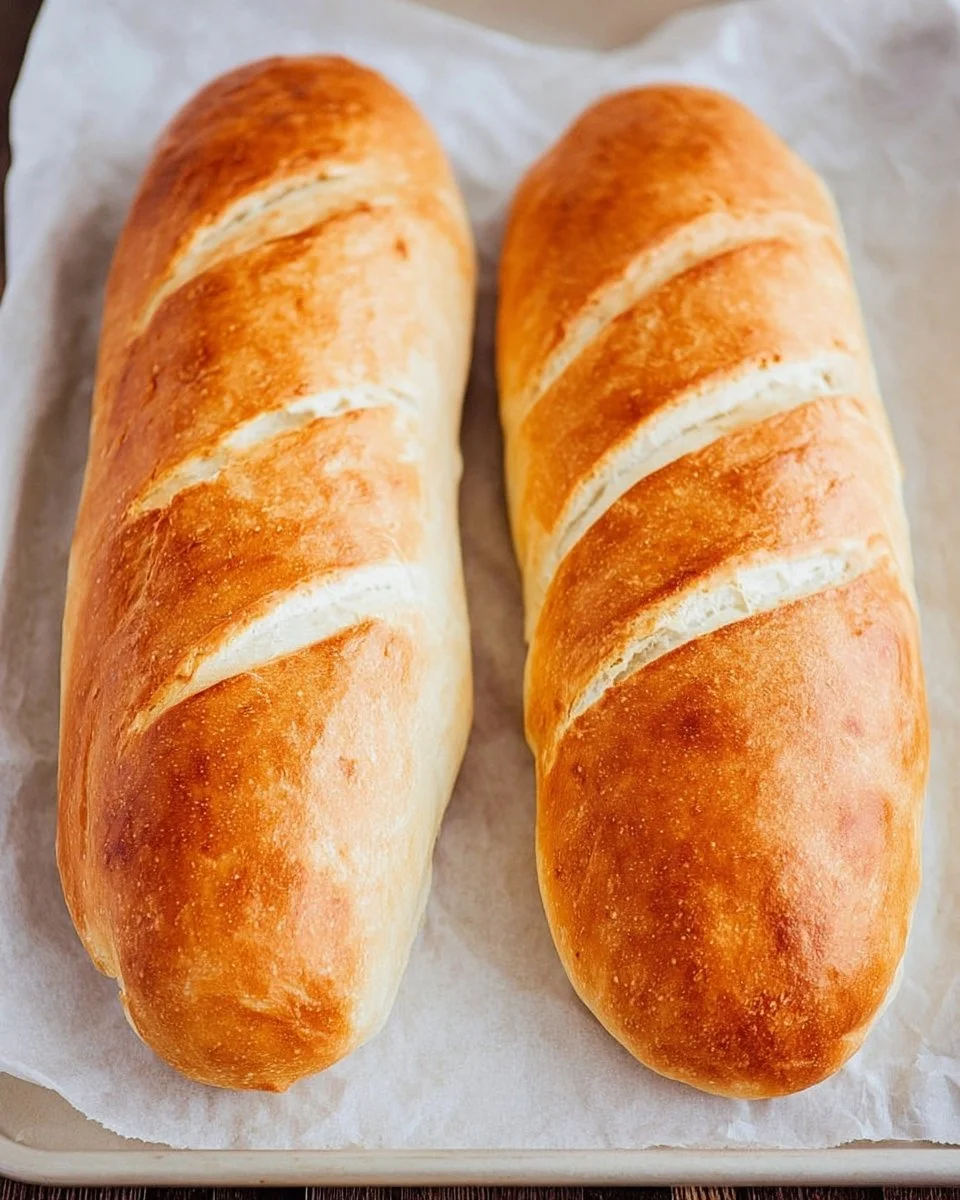
Place each loaf seam side down on the prepared baking sheet, and cut 3-4 slashes in the top of each with a sharp knife. Cover lightly and let rise for 30 minutes. Preheat the oven to 375°F. Whisk together the egg and a splash of water for an egg wash, and brush it over the loaves. Bake for 30 minutes or until golden and hollow sounding when tapped.
Pro Tips from My Kitchen
✓ Use Fresh Yeast – Ensure your yeast is fresh and active for the bread to rise properly. Check the expiration date before using.
✓ Correct Water Temperature – Use warm water that's not too hot, roughly 110°F, to activate the yeast without killing it.
✓ Be Patient with Dough Resting – Allowing the dough to rest between stir downs enhances the bread's texture and gluten development.
✓ Don't Skip the Egg Wash – The egg wash is crucial for a shiny, beautifully browned crust. It also helps hold any added toppings.
✓ Experiment with Flavors – Mix in herbs or grated cheese for a variation on classic French bread to suit different meals.
Serving Ideas and Variations
- Slice and serve the bread with a hearty soup or stew for a comforting meal that's perfect for cooler seasons.
- Transform this bread into a delicious garlic bread by spreading with garlic butter before toasting in the oven.
- Try adding ½ cup of whole wheat flour to the mix for a slightly nuttier taste and added texture.
- For a sweet version, swirl in some cinnamon and sugar before rolling the dough into loaves.
Frequently Asked Questions About French Bread
Yes, you can substitute up to ½ of the all-purpose flour with whole wheat flour for a healthier option. This will give the bread a slightly denser texture.
The dough is ready when it has doubled in size. You can perform a quick test by gently pressing your finger into the dough; if it springs back slowly, it's ready.
Yes, you can prepare the dough and refrigerate it after the first rise. Allow it to come to room temperature and complete the final rise before baking.
Ensure your yeast is fresh and the water temperature is correct. A warm environment is ideal for rising. If it doesn’t rise at all, it may be due to inactive yeast.
This bread pairs beautifully with pasta dishes, salads, and a variety of soups. It's versatile enough to complement most meals.
French Bread Recipe
Ingredients
- 2 ¼ cups Warm Water
- 1 tablespoon Yeast
- 2 tablespoons Sugar
- 1 tablespoon Salt
- 2 tablespoons Oil
- 5 to 6 cups Flour
- 1 teaspoon Cornmeal
- 1 each Egg
Instructions
- In a large bowl or the bowl of a stand mixer, dissolve the yeast and sugar in the warm water. Let it sit until the mixture is foamy and bubbly.
- Add the salt, oil, and 3 cups of flour to the yeast mixture and mix until smooth. Gradually add more flour, ½ cup at a time, until the dough pulls away from the sides of the bowl and no longer sticks to your finger when tapped lightly.
- Let the dough rest for ten minutes, then stir it down. Repeat this process four more times, stirring the dough down in between each rise interval.
- Prepare a baking sheet by lining it with parchment or silicone and sprinkling it with cornmeal.
- Divide the dough in half and roll each half out into a rectangle about 9 inches by 13 inches. Starting at the long side, roll the dough into a cylinder.
- Place each loaf seam side down on the prepared baking sheet, and cut 3-4 slashes in the top of each with a sharp knife.
- Cover lightly and let rise for 30 minutes.
- Preheat the oven to 375°F. Whisk together the egg and a splash of water for an egg wash, and brush it over the loaves.
- Bake for 30 minutes or until golden and hollow sounding when tapped.
Notes
- Use fresh yeast for best results.
- Ensure water temperature does not exceed 110°F for optimal yeast activation.
- Allow dough resting for texture enhancement.
- Egg wash is essential for a shiny crust.
- Experiment with flavors for variety.



Leave a Reply