
Ever found yourself mesmerized by the magic of sourdough? I remember the first time I attempted to make a sourdough starter. It was like nurturing a small, bubbling science project on my kitchen counter. Watching it transform daily was a captivating experience that combined patience and a few everyday ingredients.
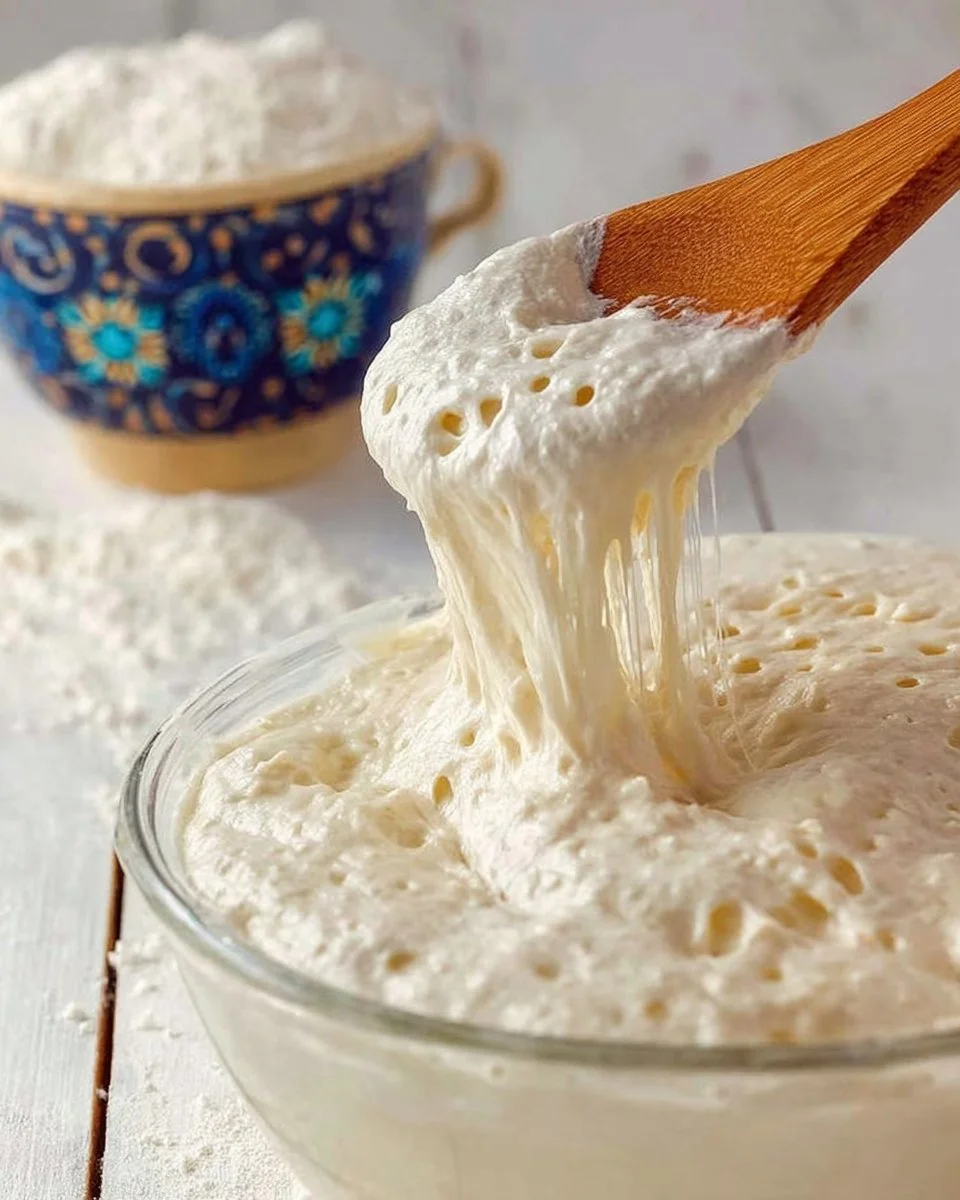
In this recipe, I’ll show you how to create your own sourdough starter from scratch. It may take a bit of time, but the payoff in flavor and satisfaction is unparalleled. Plus, you'll find the process surprisingly simple and rewarding once you get the hang of it. Let's begin your journey into the world of sourdough.
Jump to:
Why You’ll Love This Recipe
- Simple Ingredients: You only need flour and water. It can't get easier than that.
- No Special Equipment: Everything you need is likely already in your kitchen.
- Rich Flavor: The tangy taste is unbeatable and elevates any bread you bake.
- Learn and Grow: A fun way to understand the science of baking and fermentation.
- Customizable: Adjust flavors by experimenting with flour types and feeding schedules.
Ingredients You'll Need
- Whole Wheat Flour – ¼ cup. Provides nutrients and microorganisms to kickstart fermentation.
- All Purpose Flour – 5 lb. The foundation that'll bulk up your starter.
- Water, room temperature – ¼ cup. Hydrates the flour and aids in fermentation.
How to Make Sourdough Starter
Step 1: Mix Initial Ingredients
In a wide-mouth 4-cup jar or bowl, combine ¼ cup wheat flour with ¼ cup all-purpose flour. Add the water and stir until you see no dry flour. Cover loosely and leave it in a warm spot for 24 to 48 hours.
Step 2: Check and Stir
On Day 2, check for any signs of activity such as bubbles. Stir the mixture if necessary and let it sit for another 24 hours.
Step 3: Feed the Starter
If you notice bubbles on Day 3, discard half of the starter. Add ½ cup all-purpose flour and ¼ cup lukewarm water. Stir to combine, cover loosely, and rest for another 24 hours.
Step 4: Continue Daily Feeds
From Days 4 to 7, discard half of the starter each day and feed with ½ cup flour and ¼ cup water daily. By Day 7, your starter should be ready.
Step 5: Test for Readiness
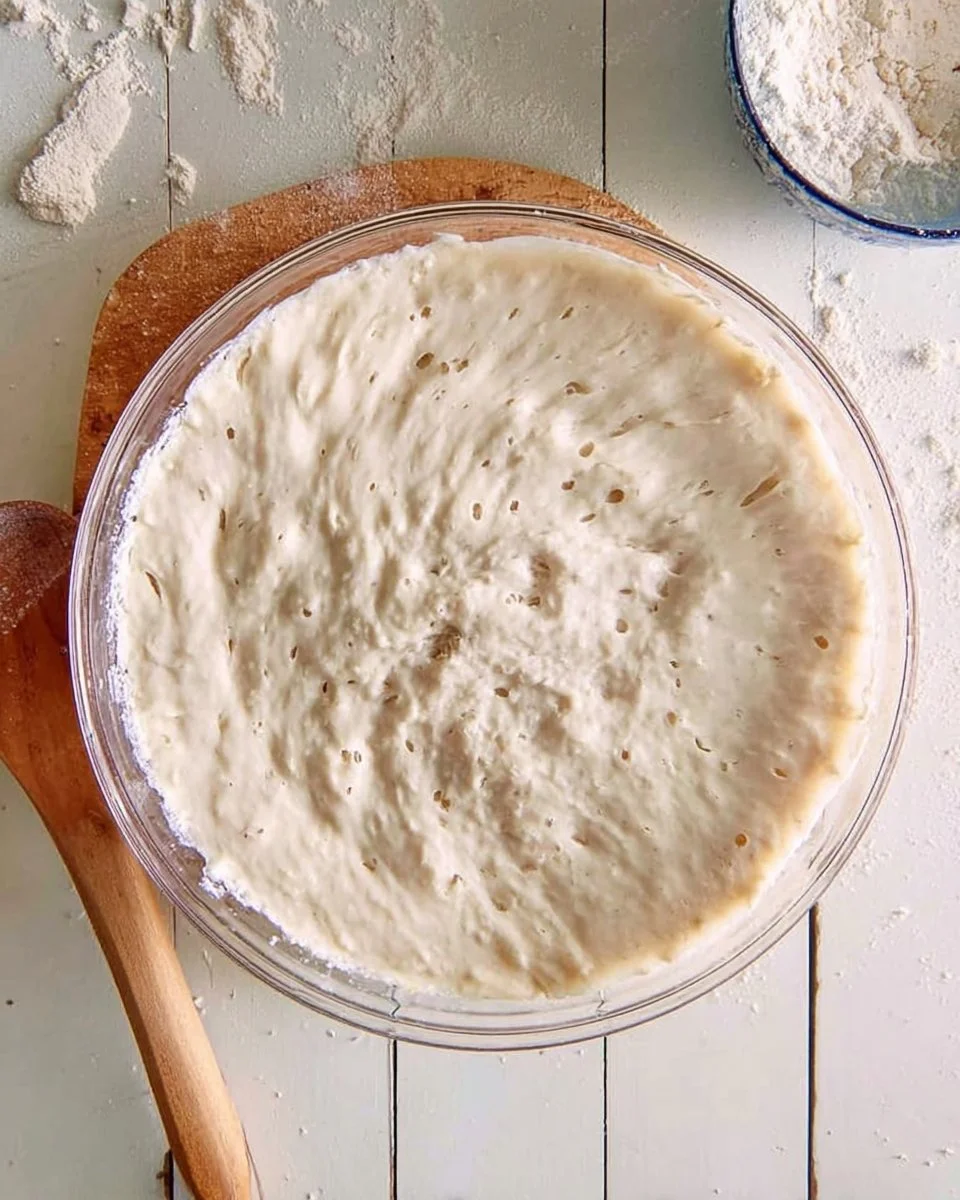
To test if your starter is ready, see how long it takes to double in size or perform the float test. If it passes, it's ready to use in baking.
Pro Tips from My Kitchen
✓ Use Quality Flour – The quality of flour can affect your starter's health, so choose fresh, unbleached varieties for best results.
✓ Maintain Consistent Warmth – Consistent warmth is key. A warm spot in your kitchen helps the fermentation process.
✓ Adjust Hydration as Needed – If your starter is too runny, reduce water slightly or add more flour at feedings.
✓ Be Patient – Fermentation is a slow process. Give it more time if you don’t see bubbles at first.
✓ Smell and Visual Check – Keep an eye on texture and smell; a healthy starter should be bubbly and have a pleasant tangy aroma.
Serving Ideas and Variations
- Your fresh sourdough starter can be used to make delicious artisanal bread with chewy crusts and deep flavors.
- Use your starter in pancakes or waffles for a tangy twist and improved texture.
- Try flavor variations by adding herbs or spices to your bread dough, enhancing the sourdough's character.
- Convert the recipe for rye sourdough by replacing whole wheat flour with rye flour for a distinct taste.
Frequently Asked Questions About Sourdough Starter
Yes, you can swap whole wheat flour with rye flour. Rye often speeds up fermentation and adds a distinct flavor.
Aim for a spot that's between 70-75°F. This warmth encourages fermentation without overheating.
After it's ready, store your starter in the fridge. Feed it once a week to keep it active.
A foul smell might indicate contamination. Ensure that no mold or pinkish hue is apparent and consider starting over with fresh ingredients.
Sourdough bread pairs well with savory soups, can be topped with your favorite spreads, or simply enjoyed as is, freshly baked.
Sourdough Starter Recipe
Ingredients
- ¼ cup Whole Wheat Flour
- ¼ cup Water, room temperature
- ¼ cup All Purpose Flour
- ½ cup All Purpose Flour
- ¼ cup Lukewarm Water
Instructions
- In a wide-mouth 4-cup jar or bowl, combine ¼ cup wheat flour with ¼ cup all-purpose flour. Add the water and stir until you see no dry flour. Cover loosely and leave it in a warm spot for 24 to 48 hours.
- On Day 2, check for any signs of activity such as bubbles. Stir the mixture if necessary and let it sit for another 24 hours.
- If you notice bubbles on Day 3, discard half of the starter. Add ½ cup all-purpose flour and ¼ cup lukewarm water. Stir to combine, cover loosely, and rest for another 24 hours.
- From Days 4 to 7, discard half of the starter each day and feed with ½ cup flour and ¼ cup water daily. By Day 7, your starter should be ready.
- To test if your starter is ready, see how long it takes to double in size or perform the float test. If it passes, it's ready to use in baking.
Notes
- Use quality flour, maintain consistent warmth in your kitchen, adjust hydration based on starter's consistency, be patient with the fermentation process, and check for unpleasant smells.




Leave a Reply